
Research Results: CollectivePower Memory Project

In 2025, the knowledge broker at CollectiveKracht investigated how citizen collectives manage archiving. What kinds of information do they preserve? How do they do it? What challenges do they encounter, and what support do they need?

Citizen collectives are a driving force behind social change. From energy cooperatives and care initiatives to food collectives and co-housing projects, they demonstrate how community spirit can be a powerful catalyst for change. But while they are building the future, something important risks being lost: the story of how they got there.

The stories, decisions, challenges, and successes of citizen collectives are valuable for both current and future initiatives. The history of how an initiative came into being, the steps it has taken, the partnerships it has formed, and the lessons it has learned together constitute an invaluable source of knowledge and inspiration.

Continue reading

Presenting our practices: how do citizen collectives contribute to the monitor?

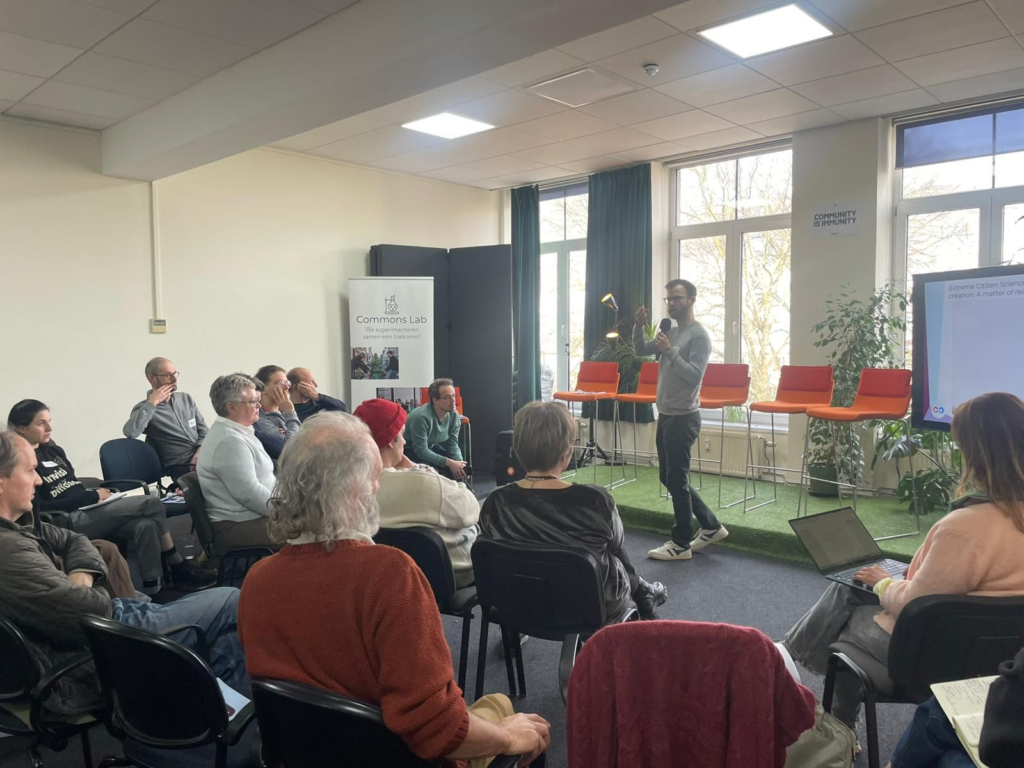
During the National Commons Assembly in Belgium on 7 March, our research group hosted a workshop on the importance of involving citizens in research at every step (extreme citizen science). Lukas Held explained how this takes shape at CollectieveKracht and the role citizen collectives played in data collection, which led to the first Citizen Collectives Monitor last December. Check out the monitor here.

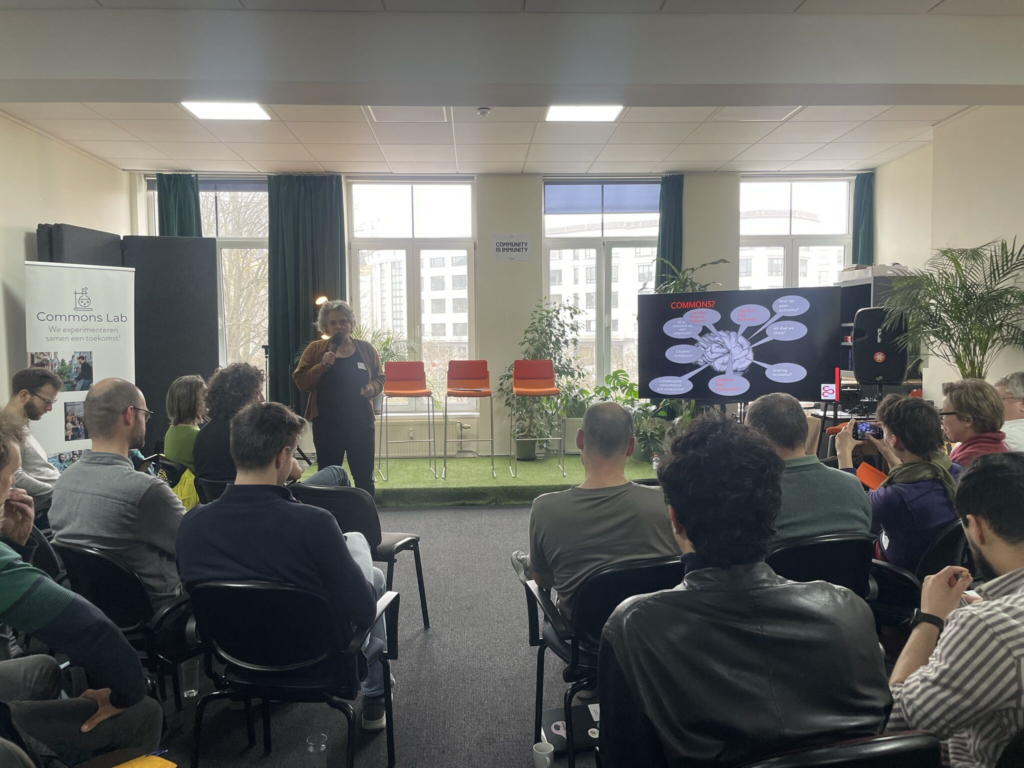
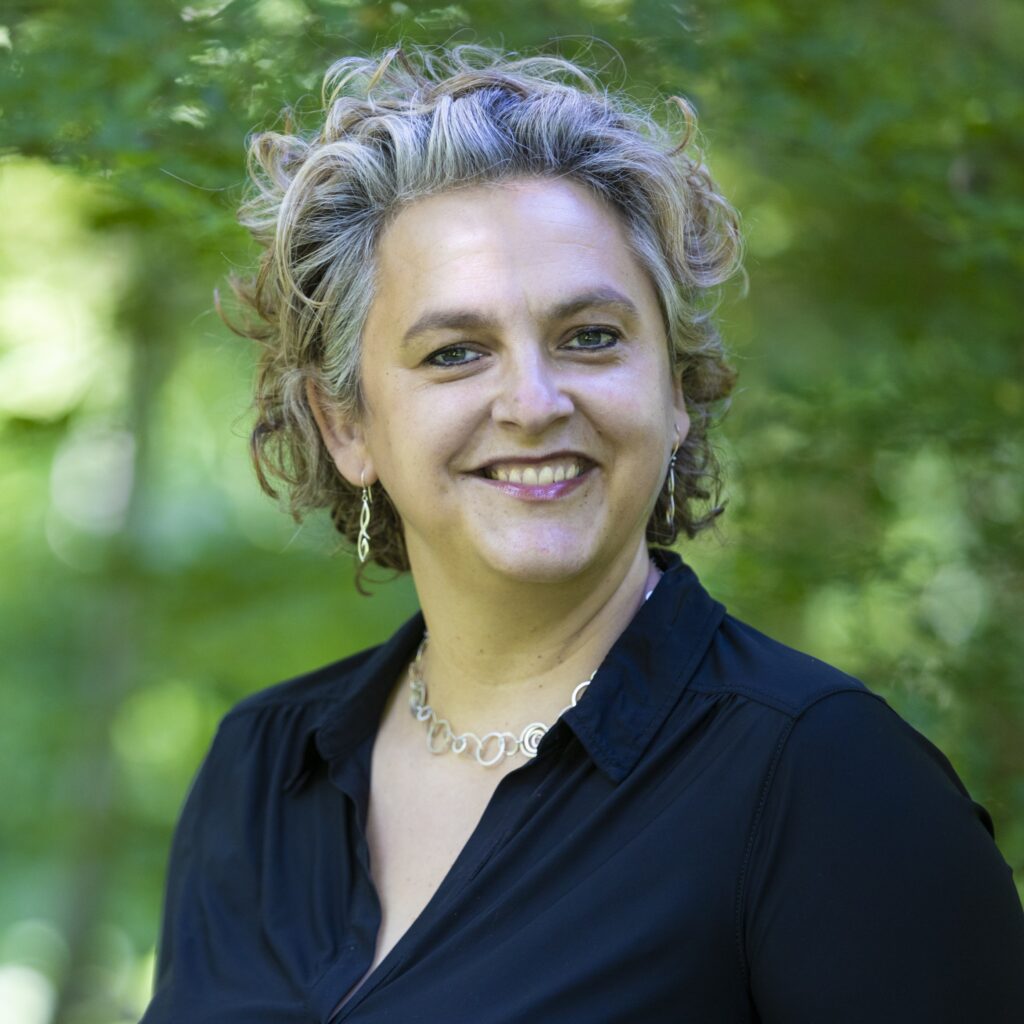
Before that, Professor Tine De Moor (Erasmus University Rotterdam) gave a lecture on citizen collectives as alternative organizations. “There are three principles that enable mechanisms leading to the resilience of these organizations: reciprocity, solidarity, and sufficiency.”