Trust first, data second: Building resilient societies through collective action

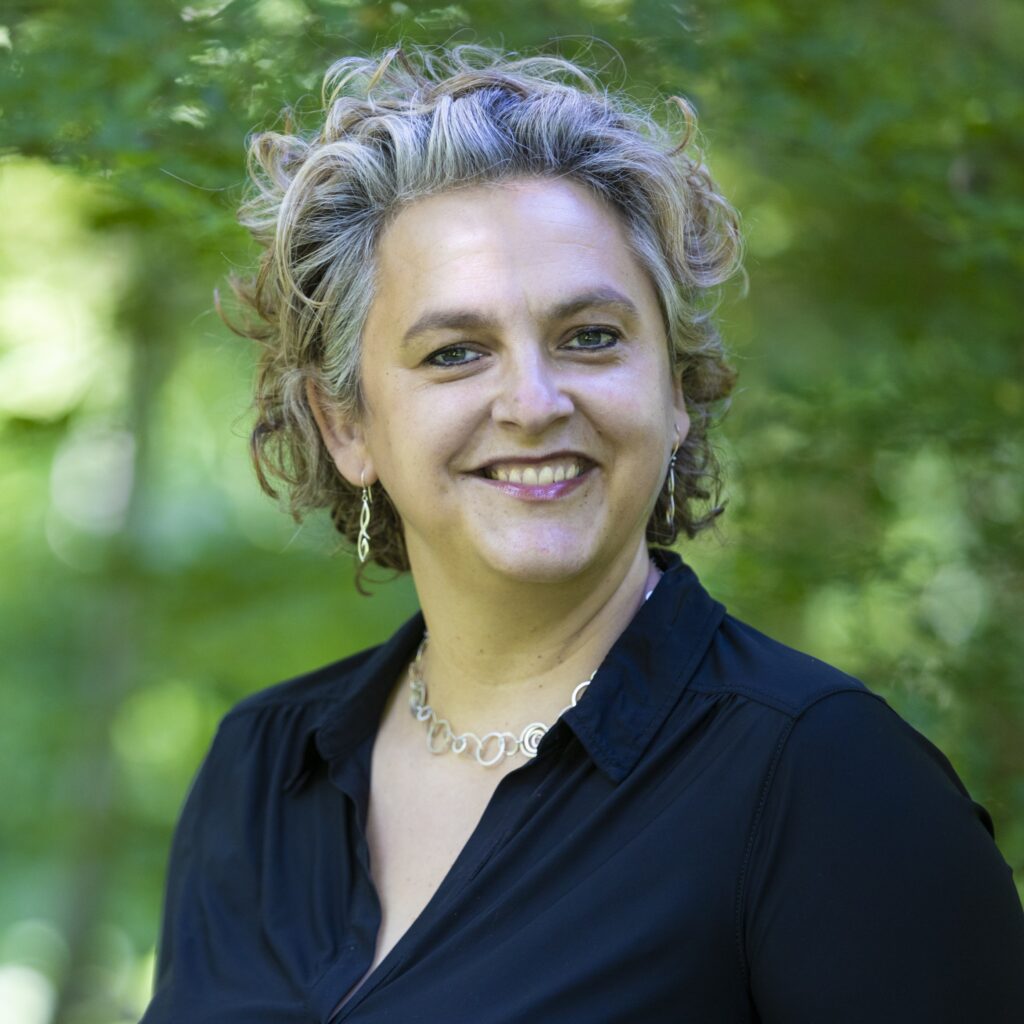
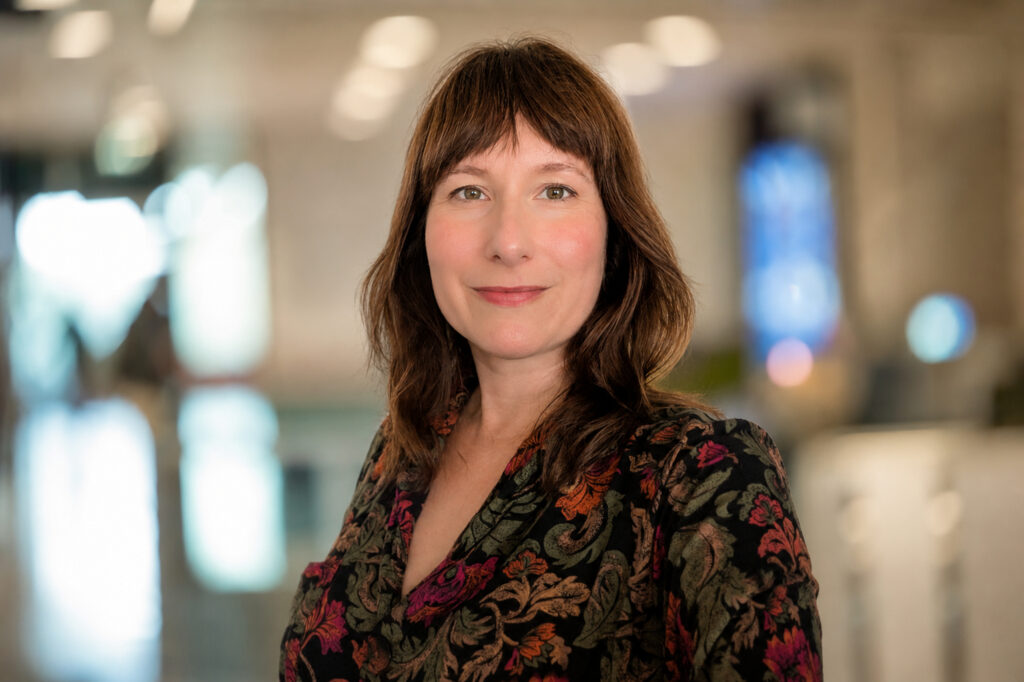
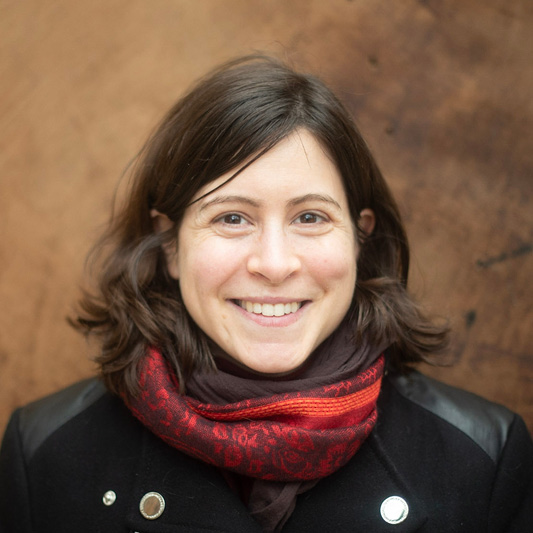
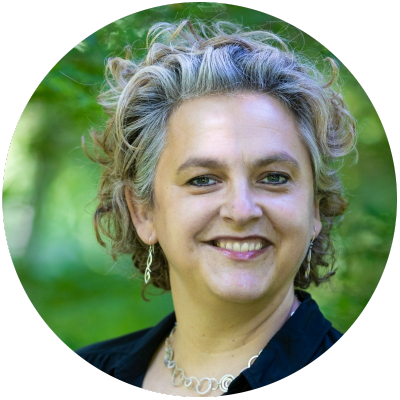
This interview with SEICA team members Professor Tine De Moor and Communications Advisor Tessa Moolenaar explores the role of citizen collectives in building resilient societies and strengthening the connection between academia and society.

The article examines how CollectieveKracht brings together citizen collectives, researchers, policymakers, and other stakeholders to facilitate knowledge exchange and collaboration. It highlights the importance of trust, reciprocity and long-term relationships in developing meaningful partnerships across these communities.

Against the backdrop of growing attention to engaged research and the societal impact of universities, the interview offers insights into the conditions that enable collective action to generate lasting societal value.
Chapter on avoiding pitfalls for robust data aggregation

In their chapter, Cooperative Data in a Comparative Perspective: Avoiding Pitfalls for Robust Data Aggregation, written for Global Cooperative Economics and Movements, Véronique de Herde and Tine De Moor examine the methodological challenges of comparing and aggregating cooperative data across time and space. As an increasing number of research projects rely on comparative datasets to assess, for example, the societal impact of cooperatives, the authors analyse a broad corpus of historical cooperative data sources, ranging from registration records to federation data at the national and international levels.

Continue reading

Research results: CollectivePower Memory Project

In 2025, citizen collective members of the CollectivePower platform (CollectieveKracht in Dutch) were interviewed regarding their archiving. What kinds of information do they preserve? How do they do it? What challenges do they encounter, and what support do they need?

Citizen collectives are a driving force behind social change. From energy cooperatives and care initiatives to food collectives and co-housing projects, they demonstrate how community spirit can be a powerful catalyst for change. But while they are building the future, something important risks being lost: the story of how they got there.

The stories, decisions, challenges, and successes of citizen collectives are valuable for both current and future initiatives. The history of how an initiative came into being, the steps it has taken, the partnerships it has formed, and the lessons it has learned together constitute an invaluable source of knowledge and inspiration.

This publication is part of the project Building a Unified Theory for the Development and Resilience of Institutions for Collective Action for Europe in the Past Millennium and the project Knowledge Brokering to Build the Memory of Dutch Citizen Collectives as part of the CollectieveKracht platform. Both projects are funded by the Dutch Research Council (NWO).

Continue reading